Greenpath — Hughenden
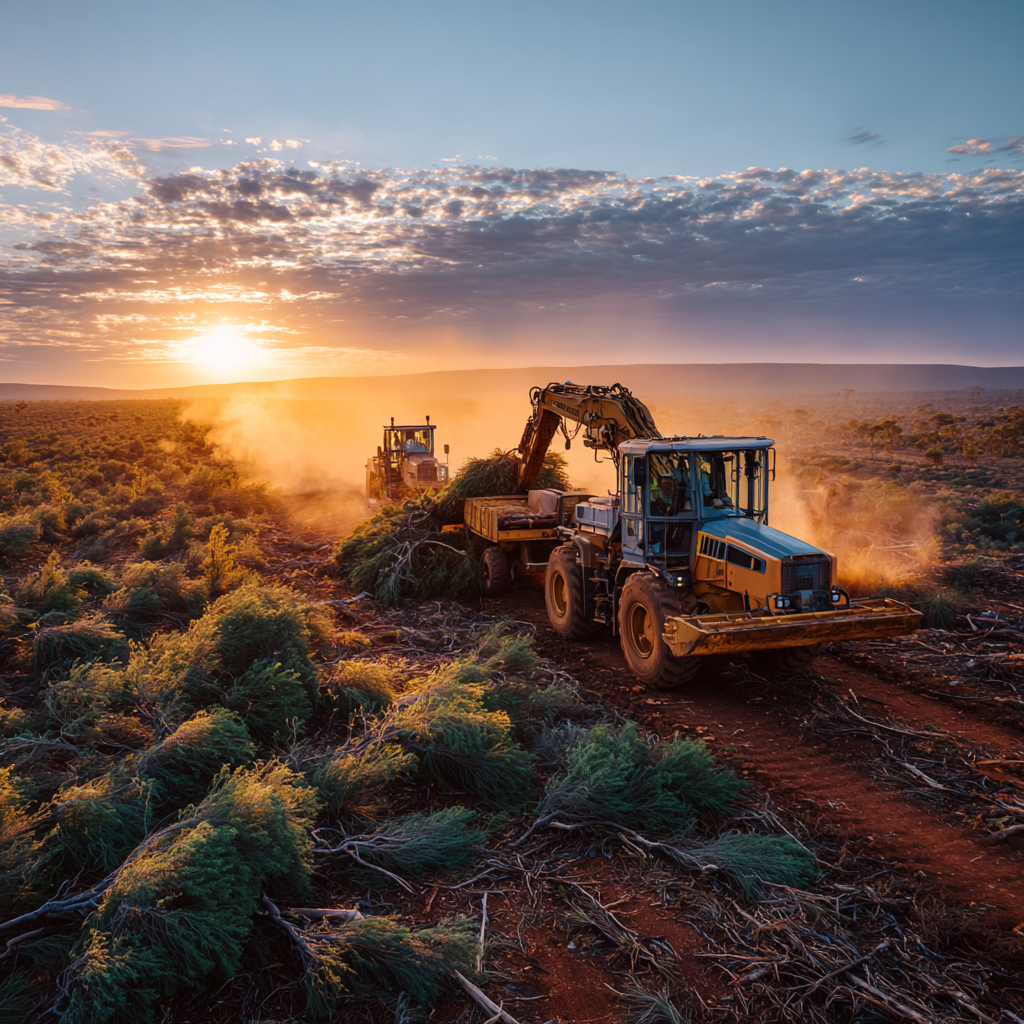
Transforms invasive prickly acacia into renewable diesel, biochar and restorative land outcomes while turning a weed burden into a commercial and environmental asset.

A premium triple-bottom-line platform combining renewable diesel, biochar, carbon removal, Indigenous partnerships, regional jobs and energy sovereignty.
Bioplant Greenpath is an Australian renewable energy development company converting waste biomass into sustainable fuels, carbon products and regenerative land-management outcomes while creating regional employment, Indigenous participation and stronger local resilience.


Bioplant Greenpath develops facilities that convert waste organic material into multiple high-value outputs, operating at the intersection of energy security, climate transition, agricultural regeneration and regional development.
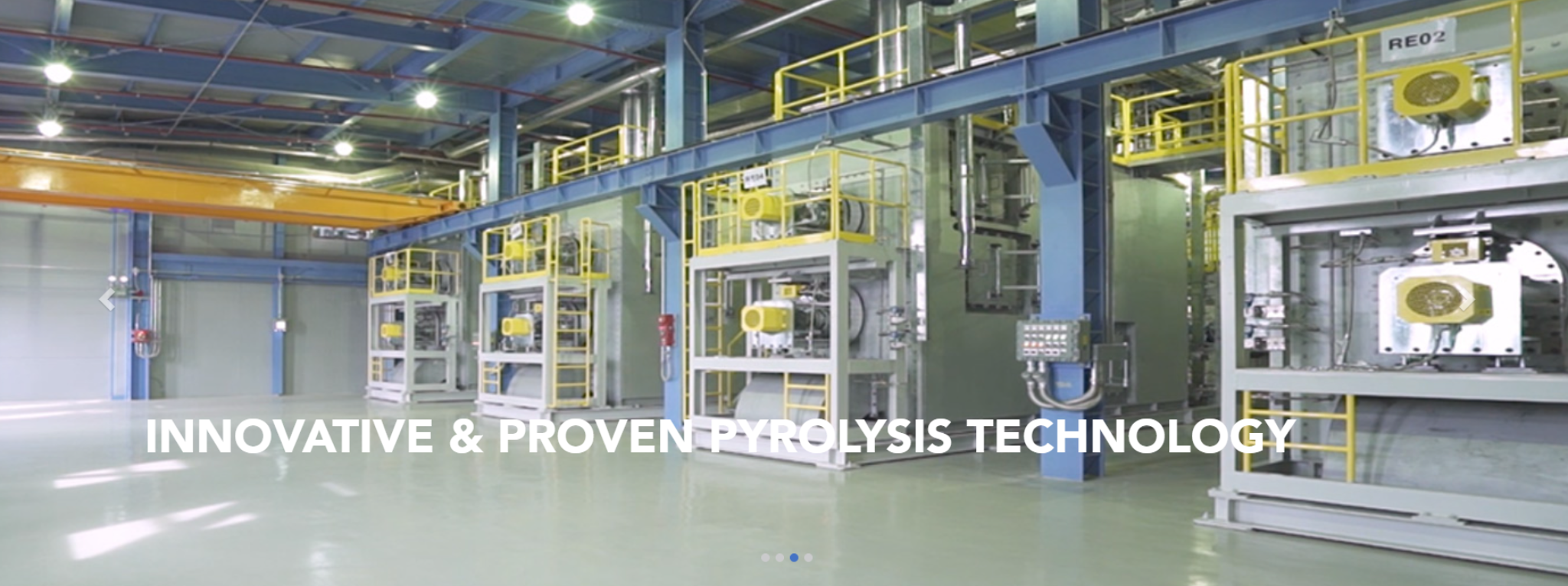
Advanced pyrolysis converts organic biomass into drop-in renewable diesel, supporting domestic fuel security and reducing fossil fuel dependency across regional Queensland and beyond.
Biochar co-product from the process is applied to degraded land to restore soil carbon, improve water retention and rebuild agricultural productivity for landholders.
Permanent carbon sequestration through biochar enables high-integrity carbon removal credit generation aligned with credible market integrity frameworks.
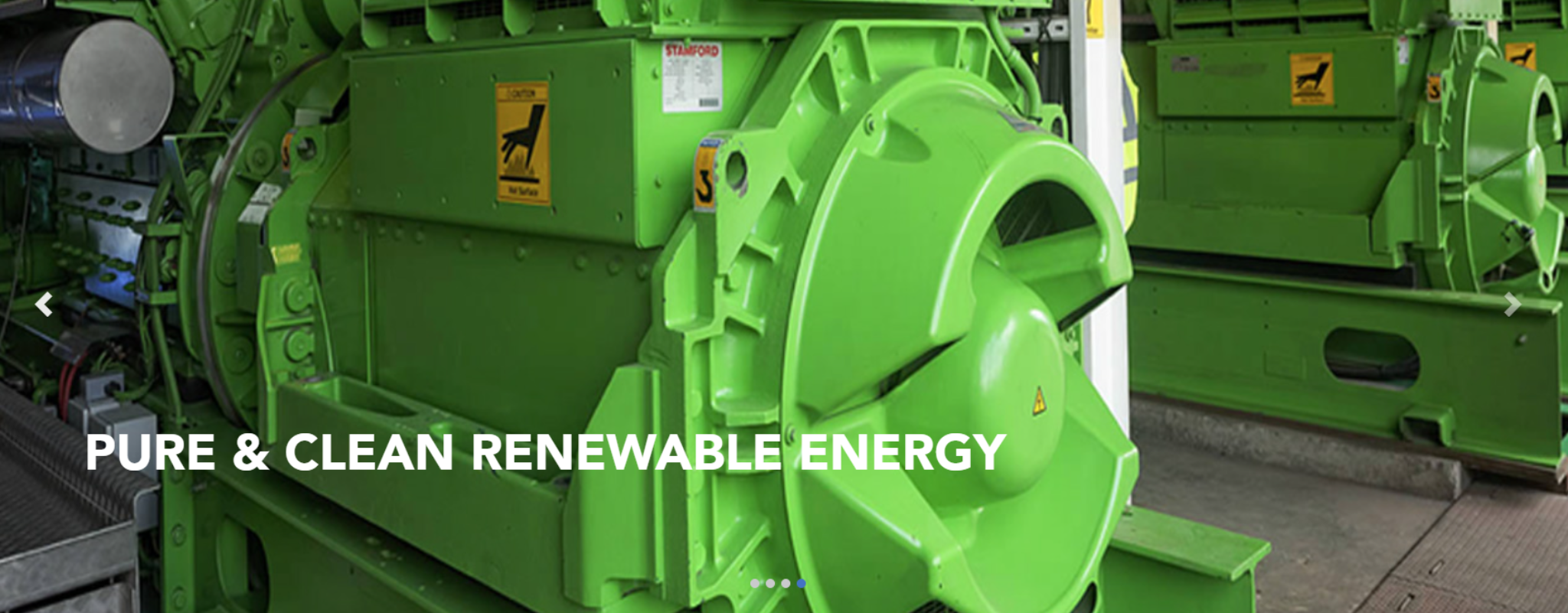
Syngas produced through pyrolysis can generate clean electricity for on-site needs and strengthen regional energy resilience.

The Greenpath model turns invasive species, agricultural residues and other organic biomass into fuel, power, carbon products and restorative land outcomes. It is designed to diversify revenue and reduce dependence on any single output stream.
Bioplant Greenpath is structured to deliver a commercial energy and carbon platform that also improves land condition, supports regional industry, enables Indigenous participation and creates long-tail community benefits.
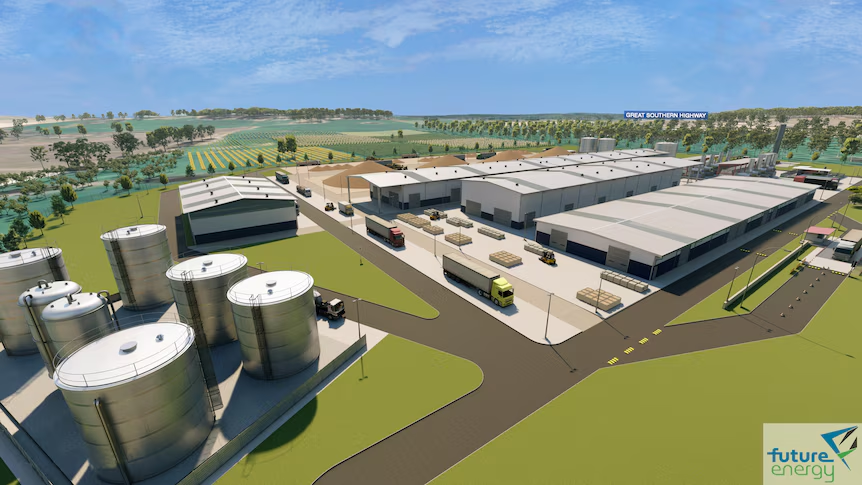
The platform blends biomass pre-processing, pyrolysis, fuel upgrading, energy generation and carbon-product pathways into a coherent project architecture built for practical deployment.
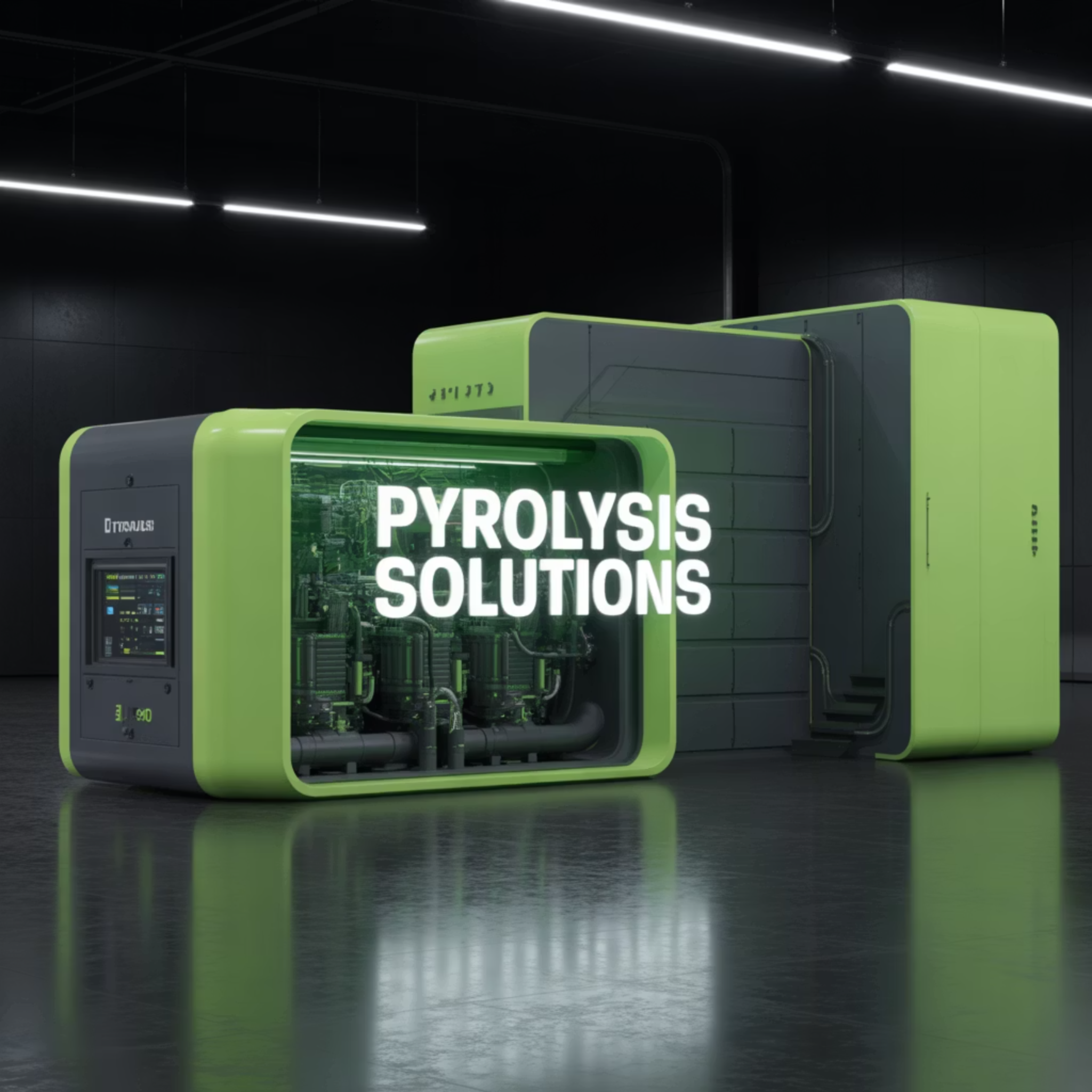
Pyrolysis converts biomass into syngas, bio-oil and biochar with multiple downstream applications.
Bio-oil pathways support renewable diesel and sustainable fuel production for hard-to-abate sectors.
Biochar supports durable sequestration, soil restoration and carbon market participation.


This is the layer that elevates Bioplant Greenpath from a technology story to a place-based development story. The model can support hybrid energy framing, farmer participation, Indigenous empowerment and community reinvestment beyond the plant gate.
Commercial returns are designed to coexist with stronger regional capability, more local spending, improved land condition and more resilient community infrastructure.
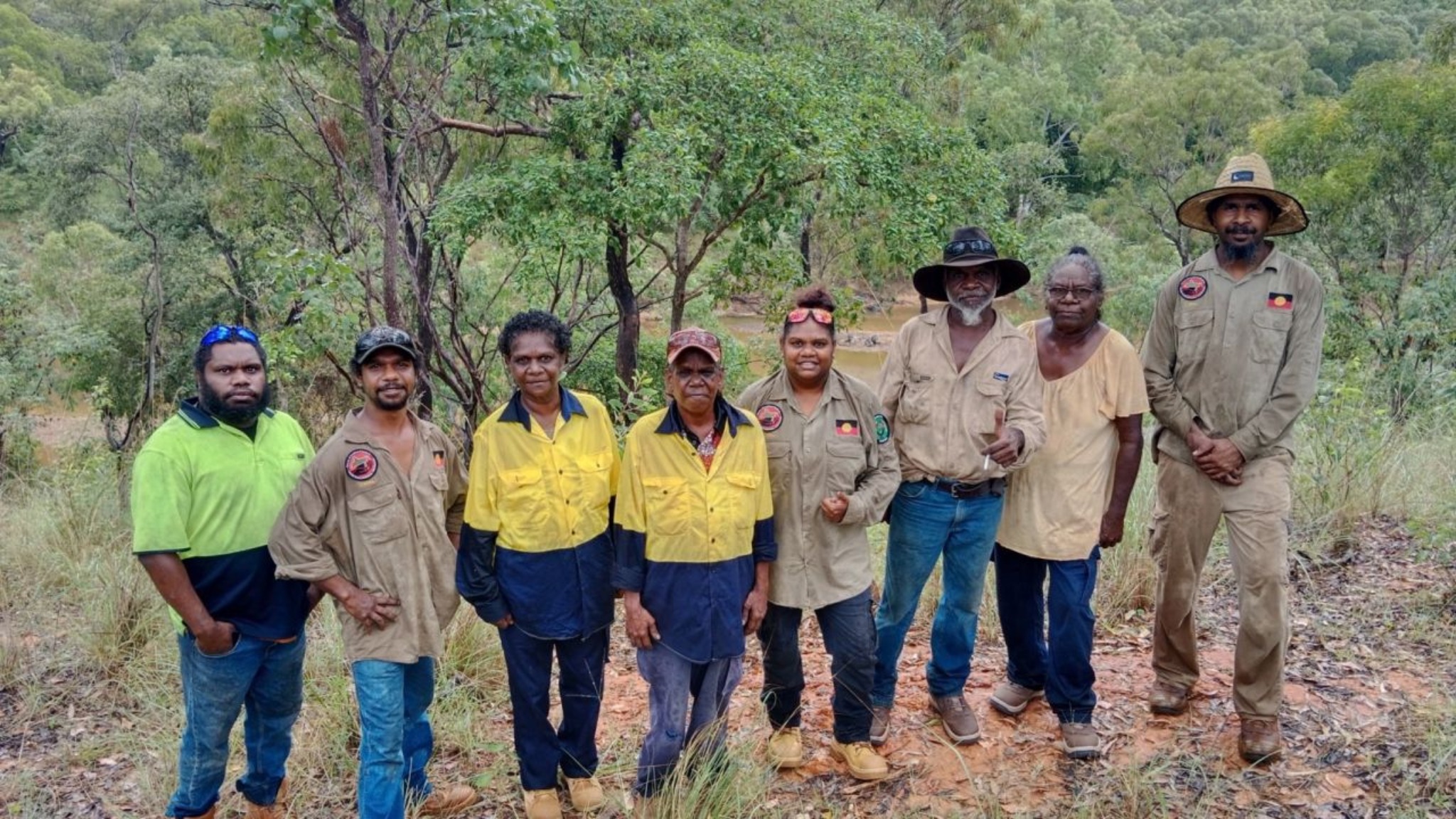
The platform can accommodate participation models involving landholders, Indigenous groups, local businesses and strategic regional partners.


A more resilient regional energy model shaped by local context rather than distant supply volatility.
Advisory and participation pathways that anchor cultural legitimacy and economic inclusion.
Project logic that improves land, jobs, capability and local confidence at the same time.
Permanent carbon storage through biochar and reduced waste biomass impacts.
Local renewable diesel and on-site energy generation capability.
Improved soil health, water retention and productive land function.
Regional employment, contracting and procurement participation.
Potential linkages to training, micro-finance and local support initiatives.
Premium carbon narrative supported by durable sequestration logic.
Reduced dependence on external fuel and vulnerable supply chains.
Turning liabilities such as invasive biomass into productive inputs.
More value retained in-region through supply-chain activity.
Energy and development pathways with stronger local control.
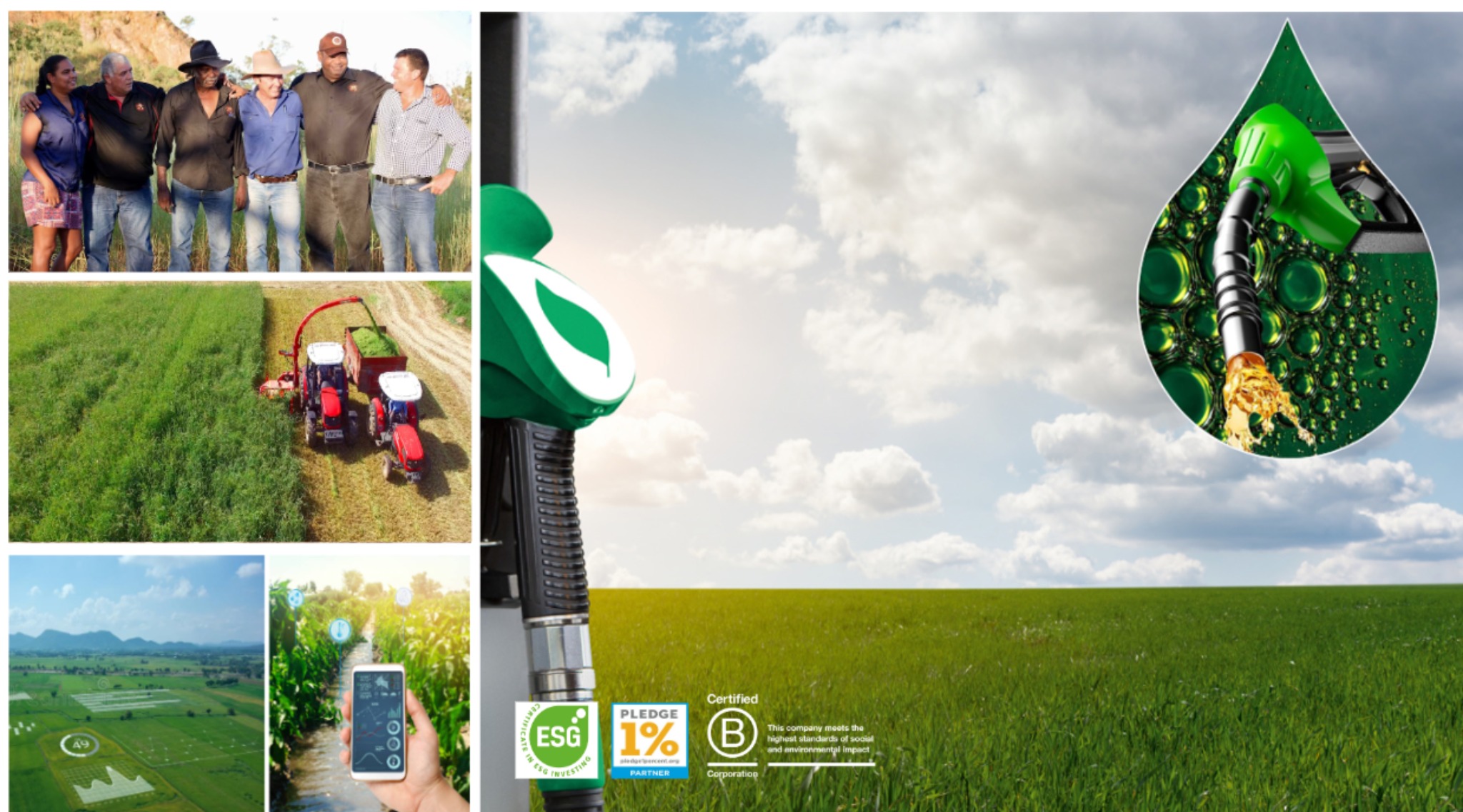
Supports the transition to lower-emissions industrial and fuel systems.
Anchors local employment, procurement and productive infrastructure.
Improves domestic control over strategic fuel and energy pathways.
This structure brings together commercial leadership, technical capability, social licence and project governance.

Strategic partnerships, growth and market development.
LinkedIn
Regional strategy, regeneration and stakeholder engagement.
LinkedIn
Governance and technical leadership across bioenergy delivery.
LinkedIn
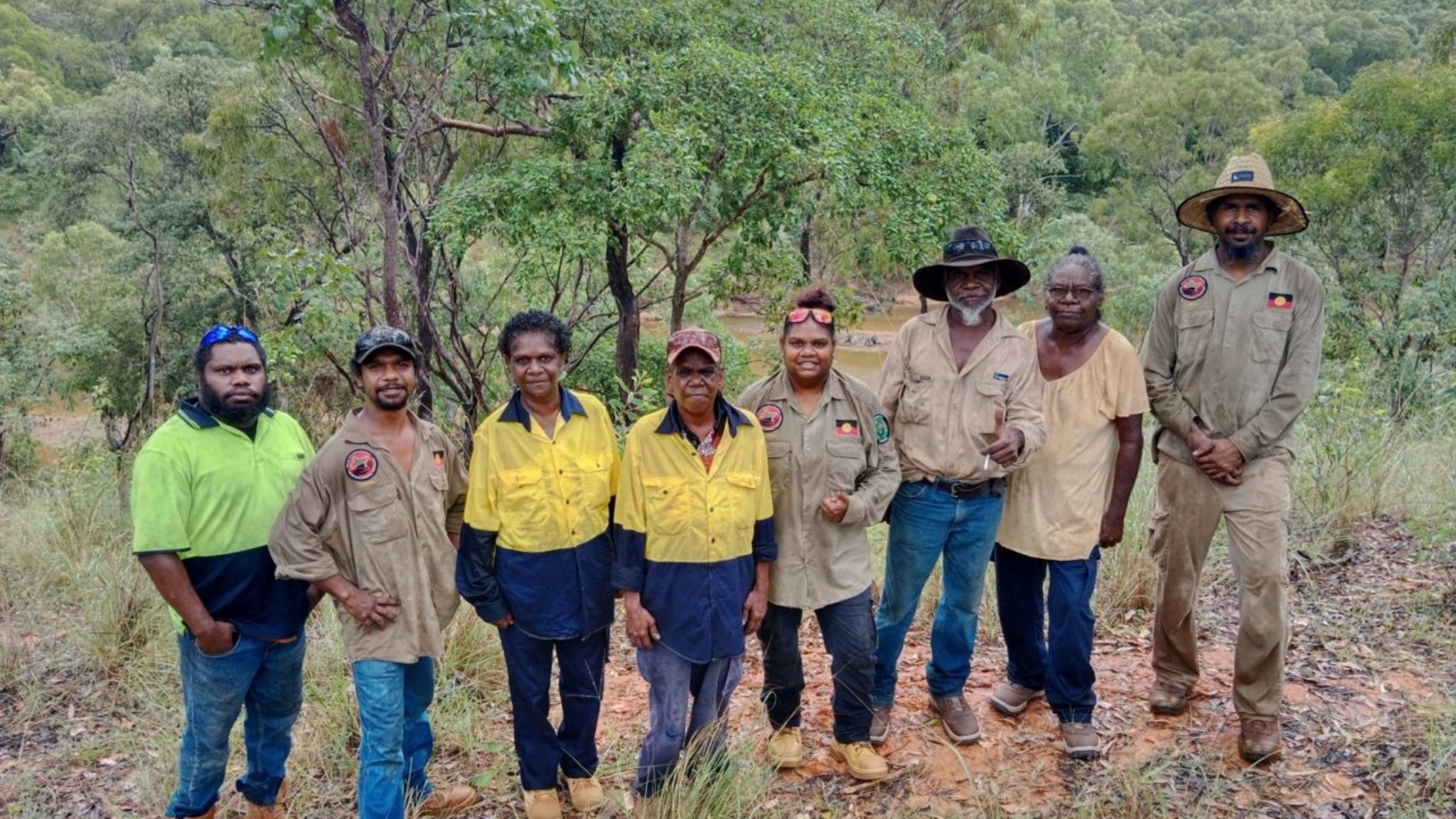
Community collaboration and culturally grounded project engagement.
LinkedInTransforms invasive prickly acacia into renewable diesel, biochar and restorative land outcomes while turning a weed burden into a commercial and environmental asset.

A domestic biofuel pathway designed to strengthen Australian resilience across aviation, maritime and remote logistics while reducing external fuel vulnerability.

Uses coconut biomass waste to generate new value streams, support agricultural revitalisation, strengthen regional employment and build climate resilience in Pacific island contexts.